How to Successfully Teach Teens Conflict Resolution
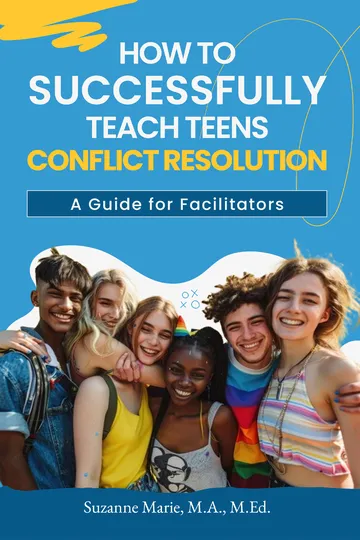
A guide for facilitators that treats conflict management as a learned skill and gives educators the tools to teach it.
Get your copyEvery lesson is a moment in time, and every moment can shape a student's future. From post-secondary classrooms in Canada to international schools across China and Turkey, I design learning that lasts.

For more than 25 years, my classrooms have been built on connection. In Canada, I taught at universities and colleges, facilitated professional development training and wrote curriculum. Today, I lead English curriculum as the system coordinator for an international school network, with campuses across China, from Hainan to Inner Mongolia, and in Turkey. Through all of it, my practice is grounded in relationships.
I use real-world examples to teach concepts and theories because I believe learning sticks best when it's real. I want my students to see how the lesson connects to their actual lives.
I use the ADDIE model (Analyze, Design, Develop, Implement, Evaluate) to map out the entire learning journey.
Whether I am building for high schoolers in Hainan or adult professionals, we start with a clear analysis of learner goals and end with measurable results.
I use the Instructional Skills Workshop (ISW) model to structure every class.
From the opening bridge-in to the final assessment, students are actively participating in the lesson rather than just watching it.
My goal is to move students effectively from remembering to applying and creating.
I use Bloom's Taxonomy to design projects that require higher-level thinking.
Project-based learning that connects language, literature, art and the real world.
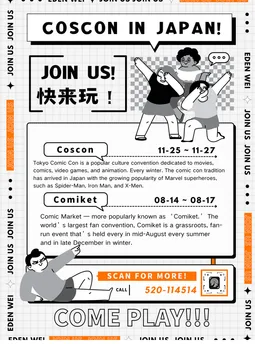
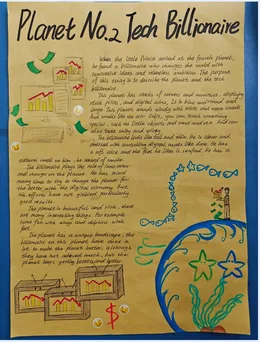
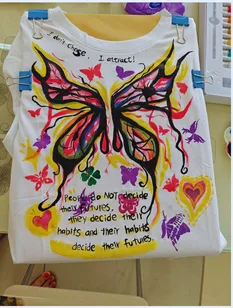
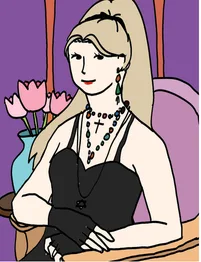
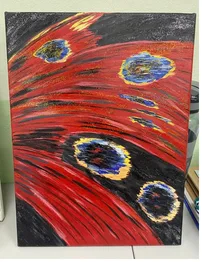
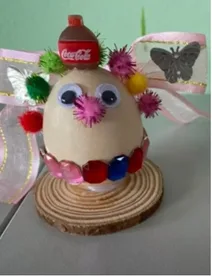
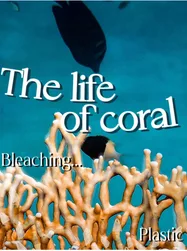

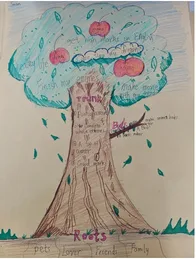
While my high school classrooms are often filled with paint and projects, my work with adult learners requires a different kind of creativity. The goal is academic fluency and real-world capability.
When teaching adults, I design curricula that build the emotional and linguistic confidence students need to function in a new culture, creating a nexus between textbook English and living English.
I have distilled this experience into a collection of resources for educators. These tools are designed to be engaging, flexible, and immediately useful for anyone teaching adult learners.
See the collectionThrough guided reading, active learning and explicit strategy instruction, students strengthen their reading, writing, speaking and listening skills. They learn how to learn, take ownership of their progress, and build independence.
I use diagnostics, formative assessments, IXL and ReadTheory to understand student needs and guide next steps. Every activity has clear academic value and is designed to build skills with purpose.
I build critical and reflective thinking through journalling, discussion and analysis. Students question assumptions, make deeper connections, and apply their learning in meaningful, real-world contexts.
Practical guides from my classrooms, ready to use in yours. Schools and libraries can order through Kiwetin Press.
A guide for facilitators that treats conflict management as a learned skill and gives educators the tools to teach it.
Get your copy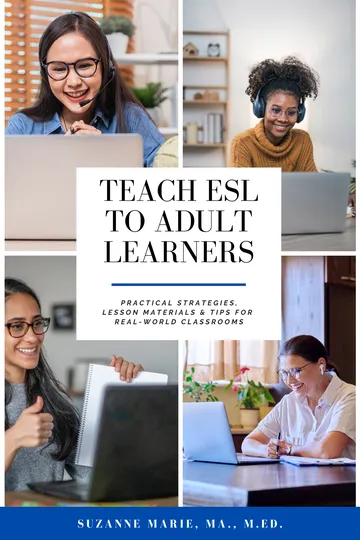
Practical strategies, lesson materials and tips for real-world classrooms, drawn from years of teaching adults in Canada and China.
Get your copyFor curriculum consulting, speaking inquiries, collaborations, or just to say hello.